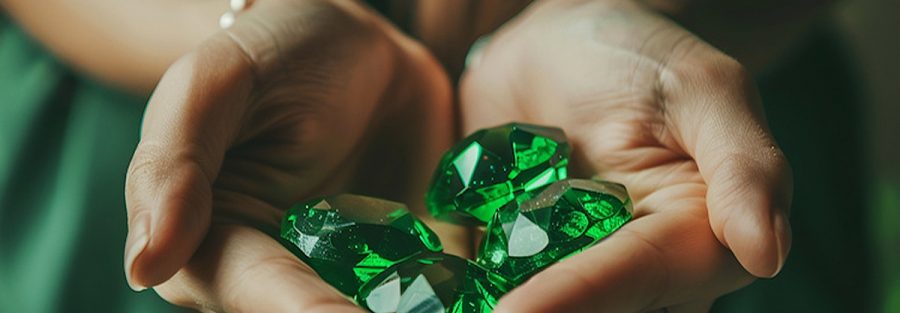
With increasing consumer awareness about ethical sourcing, diamond mining is undergoing significant changes. In this post, we dive into the importance of responsible mining practices, how COR CORE TRADING ensures ethical sourcing, and the impact it has on local communities and the environment.
Ethical diamond mining has become an increasingly important issue in the jewelry industry, as consumers, investors, and activists push for greater accountability and transparency in the sourcing of diamonds. Ethical diamond mining refers to the practices that prioritize environmental sustainability, human rights, and fair labor standards in the diamond mining process. Here’s why it matters:
1. Human Rights and Fair Labor Practices
- Labor exploitation is a serious issue in some diamond mines, particularly in countries with weak regulations or enforcement. In many cases, workers, including children, are subjected to poor working conditions, unsafe environments, and exploitative wages. Ethical diamond mining aims to address these issues by ensuring fair wages, safe working conditions, and the protection of workers’ rights.
- Ethical practices also seek to eliminate child labor and the use of forced or coerced labor, which are prevalent in regions where the diamond trade is poorly regulated.
2. Conflict-Free Diamonds
- Blood diamonds (or conflict diamonds) are diamonds mined in war zones and sold to finance armed conflict against governments. These diamonds have been linked to violent conflict, human rights abuses, and severe social and political instability. Ethical diamond mining focuses on preventing diamonds from fueling conflicts.
- The Kimberley Process Certification Scheme (KPCS) was established in 2003 to prevent the trade of conflict diamonds. While the Kimberley Process has made progress, it is criticized for loopholes and ineffective enforcement. Ethical diamond mining goes beyond compliance with the Kimberley Process, aiming to ensure diamonds are sourced from regions where peace and human rights are respected.
3. Environmental Sustainability
- Environmental degradation is a significant concern with many traditional diamond mining practices. Open-pit mining, for example, can lead to deforestation, habitat destruction, and the contamination of water supplies with toxic chemicals.
- Ethical diamond mining strives to minimize the environmental impact by implementing sustainable practices such as land reclamation, water conservation, and responsible waste management. Certified ethical diamond mines aim to restore ecosystems, protect biodiversity, and reduce pollution.
4. Transparent Supply Chains
- Ethical diamond mining encourages transparency in the diamond supply chain, from the mine to the consumer. This transparency helps consumers make informed decisions about the origins of the diamonds they purchase and ensures accountability at each stage of the process.
- Traceability is a key aspect of the ethical sourcing of diamonds. Advances in technology, such as blockchain, are being used to track diamonds from mine to market, ensuring they come from ethically sourced operations. By providing this transparency, ethical mining helps reduce the likelihood of exploitation and environmental harm.
5. Supporting Local Communities
- Community development is a significant aspect of ethical diamond mining. In many mining regions, the diamond industry can be a powerful economic force, but without ethical practices, local communities may not benefit from this wealth. Ethical mining companies work to ensure that mining operations positively impact local communities by providing jobs, investing in infrastructure, and supporting education and healthcare programs.
- Ethical diamond miners also focus on fair compensation for local workers and the development of alternative livelihoods to reduce dependency on mining and support long-term community well-being.
6. Consumer Demand for Ethical Products
- Consumer awareness of the ethical implications of their purchases has grown substantially. More and more people are choosing to buy diamonds from brands and jewelers that adhere to ethical practices. This trend is especially prevalent among younger consumers who are concerned about sustainability and human rights issues.
- By supporting ethical diamond mining, consumers send a message to the industry that there is demand for responsible sourcing. As demand for ethical diamonds increases, it pressures more companies to adopt sustainable and fair practices.
7. Economic Growth and Stability
- Ethical diamond mining can contribute to economic stability in regions that are heavily reliant on mining as an industry. By ensuring that diamond mining operations are conducted responsibly, with fair wages and benefits, local economies can experience sustainable growth that doesn’t come at the cost of the environment or workers’ rights.
- This kind of ethical approach can help break the cycle of poverty in mining regions and reduce the social inequalities associated with the diamond trade.
8. Legal and Reputational Considerations
- As international and national regulations tighten around the ethical sourcing of materials, companies that fail to comply with labor laws, environmental standards, and human rights protections could face legal consequences or reputational damage. This is particularly important in an age where consumers and investors expect greater corporate responsibility.
- Brands that prioritize ethical diamond mining can differentiate themselves from competitors, attracting consumers who value transparency and responsibility in their purchases.
9. Innovation in Diamond Alternatives
Ethical considerations in diamond mining have also led to the rise of synthetic diamonds (lab-grown diamonds), which offer an ethical alternative to traditional mined diamonds. Lab-grown diamonds are virtually identical to natural diamonds but do not involve harmful mining practices or exploitative labor conditions. This innovation is becoming increasingly popular, particularly among consumers who are concerned about the environmental and social impact of natural diamond mining.
Conclusion
Ethical diamond mining matters because it ensures that the beauty and luxury of diamonds do not come at the expense of people’s lives, the environment, or social stability. It addresses critical issues such as human rights violations, environmental degradation, and the financing of conflict, while also promoting economic sustainability and transparency. As consumers and companies alike demand more responsible sourcing practices, ethical diamond mining is poised to become a cornerstone of the jewelry industry, ensuring that diamonds continue to sparkle without causing harm.